Most buyers think about the land survey cost sometime during the closing process. Many think about it too late. Waiting until the week of closing to ask survey questions puts you in a difficult spot. Schedules are tight. Surprises are expensive. And there is very little time to fix problems once they show up. Asking the right questions early gives you more control over the process and fewer last-minute headaches.
Is the Existing Land Survey Still Suitable for Your Purchase?
The first question to ask is whether a survey already exists for the property and whether it still works for your transaction.
An existing survey is not automatically good enough. Several things can make an older survey less reliable or less useful:
- Time passed since the survey was done. Property conditions change. What was accurate five or ten years ago may not reflect what is on the ground today.
- Changes to the property itself. New structures, fences, driveways, or utility installations added after the survey are not shown on the document.
- Updated public records. Easements, plat changes, or deed adjustments recorded after the survey date will not appear in the existing document.
- Change in ownership. Each sale can introduce new conditions or recorded interests that affect how the property is described.
Ask your title company and lender whether they will accept the existing survey. Ask the surveyor to review it and tell you whether it still reflects current conditions. If the answer to either question is unclear, a new survey may be the safer choice.
What Property Features Could Affect Survey Costs Before Closing?
Not every property costs the same to survey. Buyers sometimes receive a quote and then find out the final cost is higher. That happens when site conditions require more fieldwork than expected.
Here are common property features that can affect survey costs in Mississippi:
- Large rural tracts. More land means more time in the field. Larger parcels typically cost more to survey than smaller ones.
- Wooded or heavily vegetated areas. Dense vegetation makes it harder to locate boundary monuments and move equipment through the site. That adds time.
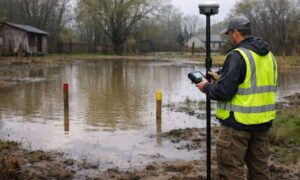
- Difficult terrain. Steep slopes, wet areas, or properties with drainage ditches require more care to navigate and measure accurately.
- Limited access. If the surveyor cannot easily reach all parts of the property, additional planning and effort are needed.
- Missing boundary monuments. When corner markers have been removed, buried, or disturbed, the surveyor must do more research and fieldwork to establish boundary locations.
Talk to your surveyor before the quote is finalized. Describe the property in as much detail as you can. Ask whether any of these factors apply and how they might affect the final cost.
Have You Shared Your Future Plans for the Property?
A survey prepared for a basic closing may not cover everything you will need later. If you have plans for the property beyond the purchase itself, tell the surveyor upfront.
Plans that can affect what the survey needs to include:
- Installing a fence. If you plan to fence the property after closing, the survey should clearly locate the boundary lines in a way that supports accurate fence placement.
- Adding structures. A new garage, shop, or outbuilding needs to be placed in compliance with setbacks and easements. The survey should reflect the information needed to plan that work.
- Building a driveway or grading the site. Access and drainage considerations may require additional data beyond a standard boundary survey.
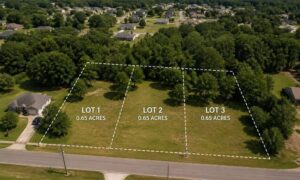
- Dividing the property in the future. If you plan to subdivide or sell off a portion later, telling the surveyor now may allow the current survey to be designed in a way that supports that process.
Sharing your plans does not always increase the cost significantly. But it can save you from ordering a second survey later to address needs the first one did not cover.
Can the Survey Be Completed Before Your Scheduled Closing?
Survey scheduling is one of the most overlooked parts of the closing process. Buyers often assume a survey can be done quickly. In Mississippi, that is not always the case.
Surveyors book out in advance, especially during busy seasons. Spring and summer tend to be the most active periods for real estate transactions and new construction. During those months, wait times for survey work can stretch longer than buyers expect.
Here is what to do to protect your closing timeline:
- Order the survey as early as possible. Do not wait until the final week before closing to contact a surveyor. Contact them as soon as the purchase agreement is signed.
- Confirm the turnaround time in writing. Ask the surveyor how long fieldwork and document preparation will take. Get a realistic completion date before your closing date is set.
- Coordinate with your lender and title company. Some lenders require the survey to be reviewed before they issue final loan approval. Make sure everyone knows the survey timeline.
- Build in extra time for complications. If weather delays fieldwork or additional research is needed, having a buffer in your schedule reduces stress.
A survey that cannot be completed before closing can delay the entire transaction. Treat the survey timeline as seriously as any other closing deadline.
What Final Survey Questions Should Be Answered Before You Sign?
Before you sit down at the closing table, there are a few survey-related questions worth getting clear answers on.
Is the property accessible from a public road? Confirm that legal access exists and that it is documented in the survey findings. Properties without confirmed legal access can create serious problems after purchase.
Are boundary markers visible and in place? Ask whether the surveyor located existing monuments or set new ones. Knowing where your corners are before you take ownership helps you protect them.
Are there any recorded easements on the property? Ask your title company and surveyor to walk you through any easements identified during the survey. Understand what they restrict and who benefits from them.
Did the surveyor note any unresolved observations? Sometimes surveys include notes about conditions that could not be fully resolved, such as a conflicting record or a monument in an unexpected location. Ask what those notes mean and whether they need to be addressed before closing.
Do you understand the survey document itself? A survey is a legal document. You do not need to be a professional to read it, but you should understand the basic layout, what the symbols mean, and what the written notes say. Ask the surveyor to explain anything that is unclear.
Closing on a property without understanding the survey is like signing a contract you have not read. Take the time to ask these questions before the ink is dry.