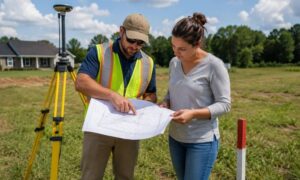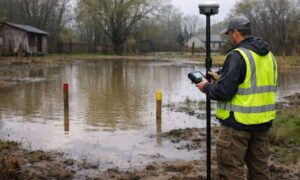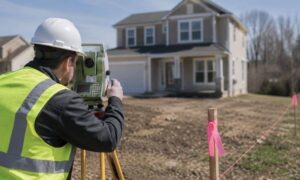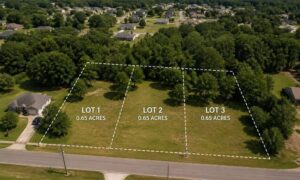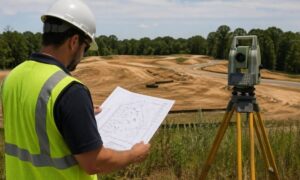
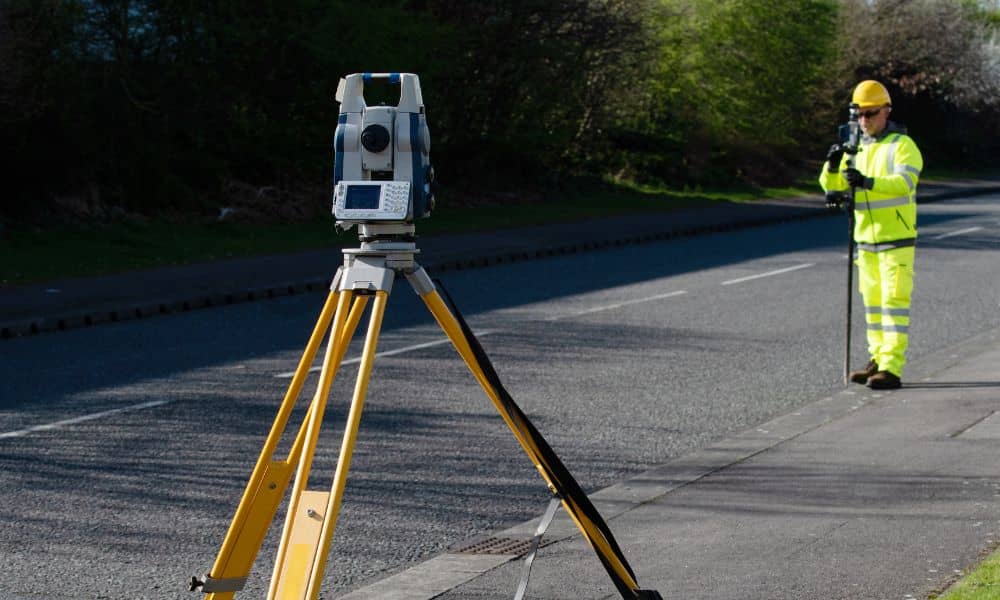
Tupelo has been in the news lately after the city announced a new road-assessment program. City officials are bringing in surveyors to check the condition of local roads, study problem spots, and map areas that need repairs. This might sound like a simple infrastructure update, but it connects to something many property owners don’t think about enough: topographic surveys. These surveys show the shape of the land, and they play a huge role in how well roads, driveways, yards, and drainage systems work.
As Tupelo begins this assessment, it’s a good time for homeowners, builders, and land buyers to understand why updated topo data matters. Roads don’t exist on their own. They sit next to homes, businesses, and neighborhood lots. When the city studies slopes, elevations, and low points, it’s not just for smoother pavement. It’s also because these features affect how water moves, how fast erosion spreads, and how stable nearby properties stay. That means this road project gives us a clear reminder: if the city needs fresh land-shape data, private property owners probably do too.
Tupelo’s Road-Assessment Program: What’s Going On
The city’s effort focuses on finding hidden road issues before they get worse. Surveyors will inspect dips, cracks, soft spots, and uneven areas. They’ll look for warning signs that show deeper problems under the surface. Because Tupelo has older neighborhoods and developing areas, many roads sit on ground that has changed over time. Weather, heavy traffic, and natural shifts all cause the land to move.
Surveyors will gather accurate elevation points to help the city plan repairs. This includes mapping slopes and drainage paths so engineers know where water collects after storms. Roads that don’t drain well break down fast. When water sits on the pavement or washes underneath it, the structure weakens. That is why this project is more than a simple checkup—it’s a full study of how Tupelo’s land behaves.
While this work focuses on public roads, nearby private land can still feel the effects. When the city fixes or changes a road, water flow sometimes shifts. Drainage patterns may change as crews regrade slopes, deepen ditches, or adjust pavement height. Because of that, homeowners who live near these areas may want to update their land information too.
How Topographic Surveys Connect to Road Changes
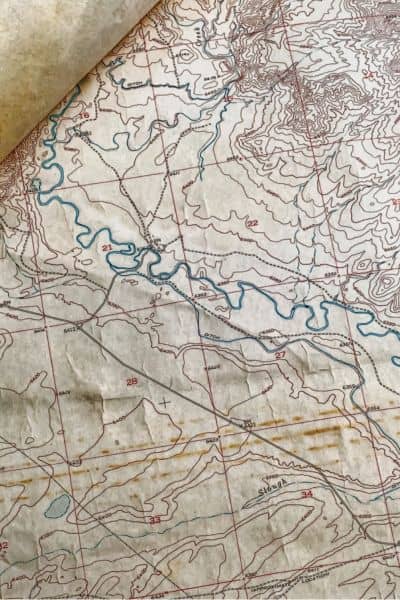
A topographic survey shows hills, dips, slopes, drains, and high points on a piece of land. This kind of map is the foundation for nearly every design decision in construction. Engineers rely on topo data to build lasting roads. Contractors use it to plan grading and digging. Homeowners use it when designing additions, driveways, fences, or drainage systems.
When studying roads, surveyors map the land around them. They check angles, elevations, and landscape features that affect how the road performs. If the city needs this information to protect public infrastructure, then landowners should think about the same thing. After all, when a road changes—even slightly—the surrounding ground responds.
For example, if the city improves drainage on a street, more water might move toward nearby yards. If the road height changes, a driveway might need an adjustment. If a ditch gets deeper, erosion might speed up in certain spots. An updated topographic survey gives landowners a clear picture of their property before and after these changes.
Why Property Owners Should Pay Attention
Many people wait until a problem shows up before they look at their land data. But by then, the fix is expensive. Tupelo’s road project is a chance to get ahead of potential issues.
Here are everyday situations where updated topographic surveys help:
Drainage changes: If your property sits near a street the city is assessing, water flow may shift. A topo survey shows where water naturally moves so you can plan ahead.
Home or land improvements: Driveways, sheds, home additions, and outdoor spaces all rely on correct elevations. Builders use topo maps to avoid standing water, uneven floors, and soil settling.
Protecting property value: Accurate elevation information helps you avoid mistakes that lower the value of your home or land.
Avoiding disputes: When land changes shape due to city work, neighbors sometimes disagree about runoff or erosion. A topographic survey gives you proof of your property’s original condition.
These benefits are not limited to big projects. Even small improvements, like fixing a drainage ditch or adding a patio, become easier when you know your land’s true contours.
Why Contractors and Developers Should Take Notice
Tupelo continues to grow, and builders depend on accurate topo data to avoid delays. When information is outdated, plans fall apart fast. A contractor might dig too much soil, or a foundation crew may discover hidden low spots. Both mistakes cost money and slow projects.
Road work brings another complication. If the city changes nearby slopes or ditches, approved plans may no longer match real conditions. A developer who updated their topographic survey early stays ahead of these changes and avoids rework.
For large sites—like subdivisions, commercial buildings, or multi-lot developments—fresh topo data is not just helpful. It’s essential. Stormwater plans, cut-and-fill estimates, and building pad elevations all rely on accurate elevations. As Tupelo inspects its roads, private development will only benefit from doing the same.
Real Examples of Issues That Start With Bad Elevation Data
People usually don’t think about elevation until something goes wrong. Here are problems that updated topographic surveys help prevent:
- Driveway flooding from slopes that change after road work
- Pooling water from unnoticed low spots
- Failed drainage plans because elevations were off
- Erosion along ditches when runoff speeds up
These problems build over time, and many of them start with the land’s shape—not the structure itself. A topo survey helps you see problems early.
When Is the Best Time to Get a Topographic Survey?
While some homeowners only think of surveys when buying or selling property, topo surveys serve a much wider purpose. The best times to order one include:
- Before building anything that needs drainage planning
- Before grading or clearing land
- When your lot sits close to the road the city is assessing
- After storms that change the land’s shape
- Before designing a new driveway or retaining wall
- When you see new low spots, standing water, or erosion
Doing this early saves time, money, and frustration later.
The Big Picture:
Tupelo’s road-assessment program is a smart move for the city, but it’s also a reminder for everyone else. Roads fail when the land beneath them shifts. The same thing happens to homes, yards, and buildings. By gathering new terrain data, the city is making sure its decisions match the real conditions on the ground. Property owners can use the same approach.
A topographic survey gives you a clear view of your land today. With road changes, new construction, or heavy storms, that view can shift fast. Staying updated helps you protect your property, avoid costly repairs, and plan projects with confidence.
If you live near areas the city is assessing—or you plan to make improvements soon—this is the right time to consider updating your topographic survey. It’s a simple step that offers long-term protection and peace of mind.