
If you’re buying land or planning a build, you’ll probably hear this early on: “You might need an elevation certificate.” It sounds simple enough, so it’s easy to think you should just go ahead and order one. However, doing that too soon can actually slow things down if you haven’t looked at your property first.
Instead, many property owners take a step back. They check flood maps and get a better sense of how their land is classified. That way, they can understand when an elevation certificate is required before moving forward. This small change in approach often makes the whole process easier and helps avoid problems later.
Why Timing Matters More Than You Think
At first, it feels like the smart move to order everything early. You want to stay ahead and avoid delays. However, when it comes to an elevation certificate, timing can make a bigger difference than people expect.
Sometimes, owners go ahead before they really understand their lot or the elevation information for your property. Then, new details come up. The property might not be in a high-risk area after all, or the building plans may shift as things move forward. Because of that, the information collected earlier may no longer match what’s actually needed.
In the end, this often leads to doing the same work twice. That means more time, more cost, and more frustration. So, it’s not the certificate that causes the problem—it’s simply starting too soon without having the full picture.
Why Flood Maps Come First in Tupelo
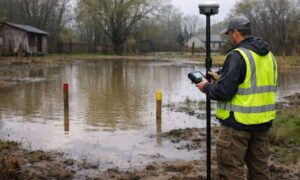
Before anything else, it helps to check where your property sits on the map. Flood maps show if your land falls inside or near a flood-prone area.
In Tupelo, this matters right away. Some areas come with rules about how high a structure must sit. Others may not require special steps at all. So, this first check helps you avoid guessing.
Once you see your flood zone, your next move becomes clearer. You can tell if an elevation certificate might be needed or if you can move forward without it.
Why the Ground Itself Still Matters

Even after checking flood maps, you are not done. Many property owners stop there. However, the land itself can change the plan.
In Tupelo, some lots look simple on the surface. Still, the ground may not be ready for building. In some cases, the soil may need extra work before construction begins.
This can affect how the site is prepared. It can also affect what kind of data is needed later. So, while flood maps guide your first step, the condition of the land shapes what happens next.
Why One Detail Can Change the Whole Plan
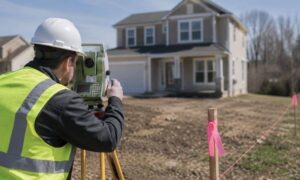
Now, imagine this. You order an elevation certificate right away. Then, you find out the site needs grading or added fill. Suddenly, the elevation you measured no longer fits the updated plan.
Because of that, the work may need to be done again. That means more time, more cost, and more waiting.
On the other hand, if you check your flood zone and site conditions first, you reduce that risk. You gather the right information before ordering anything. As a result, the process runs smoother.
Why Property Owners, Buyers, and Builders All Benefit
This approach works for different types of property owners.
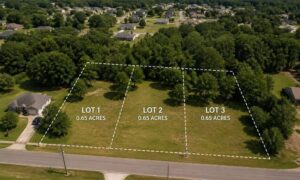
If you are buying land, you want to understand what the property requires before you commit. That way, you avoid surprises after closing.
If you are building, you need accurate information before design begins. Otherwise, changes later can slow the project.
If you already own the property, you may plan to improve it. In that case, knowing your site conditions helps you move forward with confidence.
In each case, checking first leads to better decisions.
How a Local Surveyor Helps Guide the Process
At some point, you may need help understanding your property. That’s where a local professional comes in.
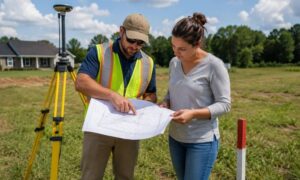
A surveyor looks at your site and helps you decide what you actually need. Instead of guessing, you get clear direction. Sometimes, that includes an elevation certificate. Other times, it may involve a different step first.
Because of this, working with a local expert can prevent mistakes. You get the right service at the right time, not just the first one that comes to mind.
Why Starting With the Right Step Makes Everything Easier
When you begin with flood maps and site checks, the rest of the process becomes easier. You avoid rework. You avoid confusion. Most of all, you avoid delays that could slow your plans.
Instead of rushing, you move forward with a clear path. First, you understand your property. Then, you decide what is needed next.
Final Thoughts
An elevation certificate is an important tool for many properties. Still, it should not always be your first step.
In Tupelo, smart property owners start by checking flood maps and understanding their land. Only after that do they decide if an elevation certificate makes sense.
That approach saves time, reduces stress, and keeps your project moving in the right direction.