Buying property in Tupelo can move fast. You find a site, agree on terms, and start lining up the next steps. Then the documents start coming in. One of them is the title commitment, and most people just skim it and move on.
That is where things start to go wrong.
An ALTA survey depends on that document, yet many buyers go into it without really understanding what goes into an ALTA survey in the first place. When the title commitment is not reviewed early, the survey can miss details that matter. That can slow closing or force changes later. A small step at the beginning often decides how smooth the process will be.
What a Title Commitment Really Shows
A title commitment comes from the title company before closing. It lists the legal description of the property, the current owner, and anything recorded against the land. That can include easements, access rights, or other limits tied to the property.
At first, it reads like legal paperwork. Still, it points to what needs to be checked out on-site.
A surveyor does not guess what to include. They follow what the title shows. If an easement is listed, it needs to be located or noted. If access is mentioned, it needs to be confirmed on the ground. That is how you start to see what an ALTA survey is based on and why the title commitment matters from the start.
How the Title Commitment Shapes the Survey
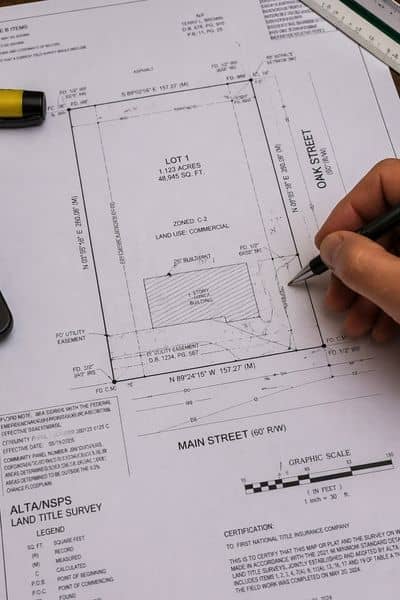
The title commitment acts like a guide. It tells the surveyor what to look for and what to confirm. Without it, the survey may miss key details.
Think about a property with a recorded utility easement. On paper, it exists. On site, it may not be clear. The surveyor must locate it or note it. That only happens if the title commitment is reviewed first.
The same goes for access. A road may appear usable, but the title may not show legal access. That gap matters during a transaction.
A strong ALTA survey shows both sides. It reflects what the title says and what the land shows.
Why Early Decisions Affect the Final Result
Many buyers assume they can order the survey and sort out details later. That usually leads to problems.
An ALTA survey is not a one-size job. It depends on what is needed for the deal. Some transactions require more detail than others. Those details must be decided before the survey begins.
If that step is rushed, the survey may come back missing key elements. Then revisions are needed. That adds time and cost.
Getting clear at the start keeps the process steady.
Where Most Mistakes Happen
A common issue is not linking the title commitment to the survey scope. People expect the survey to show everything. In reality, it only shows what is required and requested.
This leads to gaps. A buyer may expect building details, but they were never included. Another may assume utilities will be shown, but that was not part of the scope.
These mistakes do not show up until the survey is delivered. By then, changes can delay the deal.
A complete ALTA survey depends on clear instructions from the beginning.
When Paper and Land Do Not Match
It is not unusual for the title and the land to tell different stories.
A document may list an easement that is not visible on site. A driveway may exist, but no legal right to use it is recorded. A structure may sit close to a boundary line that was not clearly defined before.
These situations can catch buyers off guard.
The role of an ALTA survey is to reveal these differences early. That way, decisions can be made before closing or development begins.
How to Avoid Delays and Rework
The easiest way to avoid issues is to slow down at the start.
Review the title commitment carefully. Make sure the legal description and listed items are understood. Then coordinate with the people involved in the deal.
That may include a lender, an attorney, or a project team. Each may require certain details in the survey.
Once expectations are clear, the surveyor can prepare the right scope. That leads to a cleaner result and fewer revisions.
Why This Matters in Tupelo, MS
Tupelo continues to see growth in both residential and commercial projects. As more sites are developed, clear property data becomes more important.
Before plans move forward, you need to know where boundaries sit and how access works. You also need to understand any restrictions tied to the land.
An ALTA survey supports these needs when it is based on the correct information.
When the title commitment is used the right way, the survey reflects what matters for the project.
A Better Way to Start the Process
The title commitment often gets treated as just another document. In reality, it sets the direction for the survey.
Taking time to review it changes the outcome. It leads to a survey that matches the transaction and supports the next steps.
A well-prepared ALTA survey helps keep things on track. It reduces delays and gives buyers a clearer view of what they are working with.
Ignoring that first step creates more work later.