If you plan to build, you may think your design is ready to go. You have your idea, your layout, and maybe even a contractor lined up. However, many projects slow down at one point—the site plan review. In many cases, the problem is not the design. Instead, it is missing or incomplete topographic survey data. A lot of property owners hit this point and realize they are not even sure what survey they actually need, which is why it helps to understand what kind of survey your project needs before moving forward.
So before you submit your plans, it helps to know what to expect and how a topographic survey plays a key role in getting approval.
What a Topographic Survey Must Show for a Site Plan
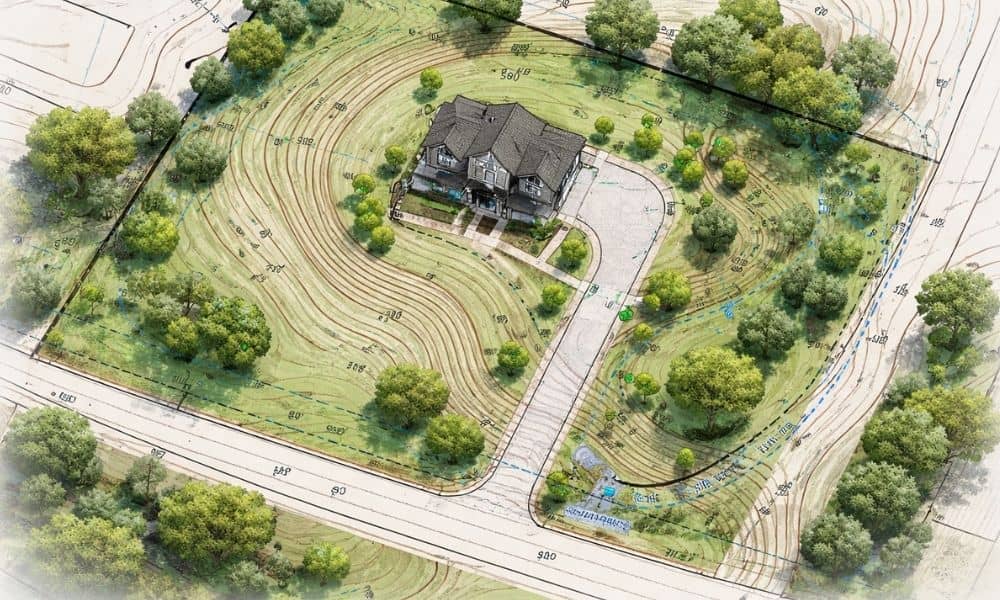
A topographic survey gives a clear picture of your land. It shows how the ground rises, falls, and connects to nearby features. Because of that, city reviewers rely on the information it provides to understand if your plan fits the property, including the topographic survey data for your site plan.
For a site plan, your survey should include several important details.
First, it needs elevation points and contour lines. These show how steep or flat the land is. Next, it should show any existing structures, like houses, sheds, or driveways. This helps the city see how your new project will fit with what is already there.
In addition, your survey should include access points, such as where vehicles enter and exit the property. It should also show visible utilities and surface features. These details help avoid conflicts during construction.
Most importantly, the survey must show how water moves across the land. Even small changes in slope can affect how water flows. Because of that, this information plays a big role in the review process.
Why Site Plans Get Delayed Without the Right Survey Data
Many property owners feel frustrated when their plans get delayed. However, the issue often comes down to missing survey details.
For example, a site plan may not match the actual elevation of the land. As a result, the city cannot confirm if the design will work. In other cases, the grading information may be unclear. This makes it hard to review how the land will be shaped during construction.
Sometimes, the layout may also conflict with setbacks or access points. Without proper survey data, these problems do not show up until review.
Because of this, many delays are not caused by design mistakes. Instead, they happen because the site plan does not match real land conditions.
Topographic Survey vs. Boundary Survey
Many people confuse a topographic survey with a boundary survey. While both are useful, they serve very different purposes.
A boundary survey focuses on property lines. It shows where your land begins and ends. However, it does not show elevation, slopes, or surface features.
On the other hand, a topographic survey focuses on the shape of the land. It shows heights, dips, and changes across the property.
Because of this difference, ordering only a boundary survey can lead to delays. Your site plan may look complete, yet it still lacks the elevation data needed for approval.
In some cases, you may need both surveys. However, for site plan submission, the topographic survey is often the key piece.
Projects in Tupelo That Often Need a Topographic Survey
Not every project requires the same level of detail. Still, many common projects in Tupelo benefit from a topographic survey before submission.
For residential work, this includes garages, shops, and home additions. Even small changes can affect how your plan fits the land.
For example, a driveway may seem simple. However, the slope must match the road and the existing ground. Without accurate data, problems can show up later.
For commercial projects, the need becomes even clearer. Parking layouts, building placement, and access routes all depend on land conditions.
In addition, land development projects often require careful planning. When you divide land or prepare multiple lots, elevation data becomes even more important.
What Happens During the Site Plan Review
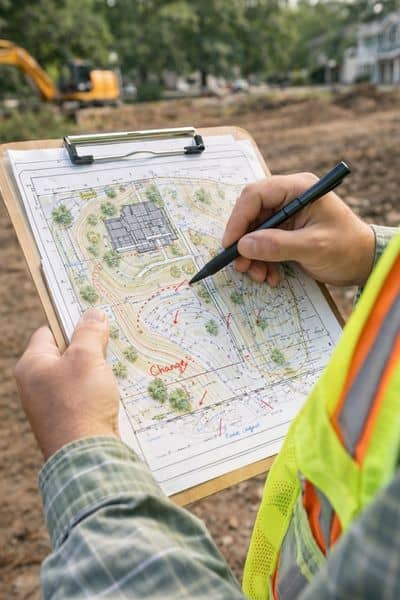
Once you submit your site plan, the city begins its review process. First, they check if the design matches the property. Then, they review how the layout works with the land.
If the survey data is complete, the process moves smoothly. However, if information is missing, the city may request changes.
At that point, you may need to revise your plan. This can take extra time and cost more money. In some cases, you may even need a new survey.
Because of this, having the right data from the start makes a big difference. It helps avoid back-and-forth revisions and keeps your project on track.
What You Should Prepare Before Ordering a Topographic Survey
Before you contact a surveyor, it helps to prepare a few key details. This makes the process faster and more accurate.
Start with a clear idea of your project. Know what you plan to build and where you want it placed. If possible, have a simple layout or sketch ready.
Next, make sure your property is accessible. Surveyors need to move around the site to collect data. Clear access helps them work more efficiently.
Also, think about your timeline. If you plan to submit your site plan soon, schedule your survey early. This gives enough time for data collection and mapping.
Why Ordering a Topographic Survey Early Helps
Many people wait until the last minute to order a survey. However, this often leads to delays.
When you order a topographic survey early, your engineer or designer can use accurate data from the start. This leads to better plans and fewer changes.
In addition, early surveys help avoid surprises. If there are slope issues or layout conflicts, you can fix them before submission.
As a result, your site plan review becomes faster and smoother. You avoid extra costs and keep your project moving forward.
Working with a Local Tupelo Surveyor
Choosing a local surveyor can also make a big difference. Local professionals understand Tupelo’s review process and common requirements.
Because of that, they know what details the city looks for. They can also help ensure your survey includes the right information for approval.
In addition, local surveyors often work closely with engineers and contractors in the area. This helps keep your project coordinated and efficient.
Final Thoughts
A topographic survey is more than just a map of your land. It is a key part of getting your site plan approved.
Without it, your project may face delays, revisions, and extra costs. However, with the right survey data, your plans can move forward with confidence.
So if you are planning a project, take the time to get your survey done early. It is a simple step that can save you time, money, and frustration in the long run.