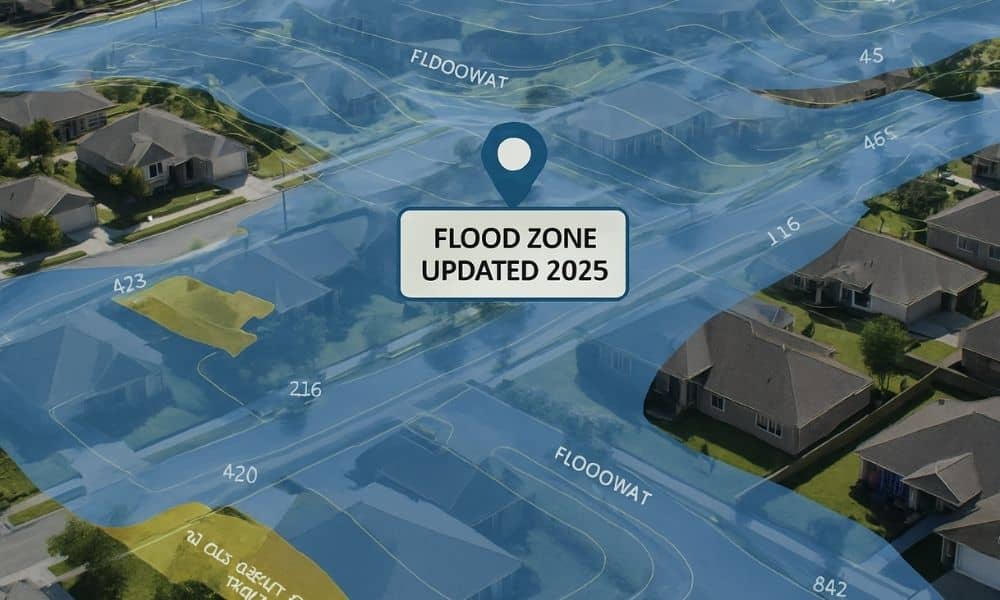
Flood maps rarely make headlines. Yet the newest FEMA updates across Mississippi are causing homeowners and buyers to take a closer look at their flood risk. As the new maps roll out, many people are learning that their properties now fall in a different flood zone than before. Because of this shift, more residents are being asked to get an elevation survey to prove their true risk level. And for some, that survey can mean the difference between an affordable insurance premium and a sudden, costly increase.
Mississippi’s Flood Maps Just Changed — What Does That Mean for Tupelo?
Every few years, FEMA reviews and updates flood maps across the country. These maps show how likely different areas are to flood. When new data, storms, or development patterns change, FEMA adjusts the maps to make them more accurate. That’s what happened recently in Mississippi, including parts of Lee County.
The agency issued something called a Letter of Final Determination. This letter signals that the new flood maps are official and will now guide insurance companies, lenders, and city permitting offices. While this sounds simple, the effects can be huge. Many residents discovered they were moved from a low-risk zone to a higher-risk one. Others found that their homes are actually safer than before. In both cases, the changes can affect insurance costs, building plans, and even property values.
Because of this shift, lenders and insurers started asking for fresh elevation data. That’s why elevation survey requests are rising fast.
Why Flood Zone Changes Can Hit Your Wallet
Even small flood-map changes can lead to big financial surprises. Insurance companies use these maps to decide how much risk your home carries. When your zone changes, your insurance rate often changes too.
Higher-risk zones usually mean higher insurance. If your home is now shown in a flood zone with greater risk, your insurer may require flood insurance—even if you didn’t need it before. On the other hand, some residents get good news. Their homes moved into areas with less risk, which can mean lower insurance costs. But insurers want proof, and that’s where an elevation survey helps.
If you’re buying a home, refinancing, or planning construction, the bank will likely ask for updated elevation information. Without clear elevation data, you might pay more than you should—or face delays on major decisions.
How an Elevation Survey Helps You Fight Back
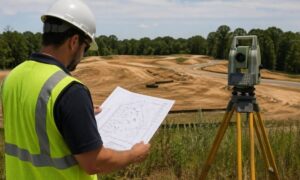
An elevation survey gives you accurate information about how high your home or building sits compared to the Base Flood Elevation. It shows whether water is likely to reach your structure during a major storm.
This survey can lower your flood insurance if it proves your home sits higher than the map suggests. It also protects you during home purchases. Real estate deals move fast, and buyers in Tupelo want clear answers about their flood risk before closing. An elevation survey gives solid data you can trust.
Builders also rely on these surveys. With the new flood maps active, city offices may not approve a permit without updated elevation details. The survey guides decisions about foundation height, drainage, and long-term resilience.
Most of all, it removes the guesswork. When you have a certified elevation survey, you know the exact elevation of your property.
What an Elevation Survey Actually Shows

Even though it sounds technical, the results are simple. The survey tells you:
- Your home’s lowest floor elevation
- The base flood elevation for your area
- Your official flood zone
- Whether your structure sits above or below the risk line
- What your insurance company needs to calculate premiums
This information becomes part of an Elevation Certificate, which lenders, insurers, and FEMA all accept.
Why Tupelo Is Seeing a Surge in Survey Requests
It isn’t just the map update. Several local factors are playing a role.
Homes near creeks and low-lying areas are now reclassified under the new maps. Some neighborhoods that never worried about flooding suddenly appear closer to risk zones. At the same time, more people are buying homes or refinancing, and lenders want updated elevation data for every case.
Construction is growing around Lee County, too. Builders need elevation surveys before grading, drainage planning, or foundation work can begin. Insurance renewals are also flagging map changes. Many homeowners only learn about their new flood zone when their rate increases.
All these reasons push survey demand higher, and many local surveyors have packed schedules because of it.
Why You Should Not Wait to Order a Survey
Even if your insurance hasn’t changed yet, delaying can cause problems later. As the new flood maps take full effect, more lenders and insurers will require updated elevation information.
Acting early helps you avoid surprise premium increases, speed up loan approvals, and prevent project delays. It also gives you time to appeal a flood-zone placement if the map is wrong. Since survey demand is rising, getting your elevation survey now can save time, money, and stress.
Choosing the Right Surveyor
A good surveyor makes the process simple. Look for a licensed land surveyor who has experience with Elevation Certificates and knows the 2025 FEMA map updates. Local knowledge of Tupelo and Lee County is a big advantage. Make sure they offer clear communication and can deliver results quickly if you’re facing a deadline for insurance or lending.
Final Thoughts:
The new FEMA flood maps are changing how people think about flood risk. Some homeowners will pay more. Others may save money. But almost everyone will need clearer elevation data at some point.
Getting an elevation survey now helps you stay prepared. It gives you real numbers, protects your property decisions, and helps you avoid costly surprises. With the changes already in place, acting early is the smartest move.